
Farming Full Time
Updated Oct 17, 2026
Seeking
- More than 10 acres
Looking For the Following
Desired Locations
Plan
The Multi-Tiered Regenerative Homestead
I am seeking unrestricted or A-1 Agriculturally zoned land in Georgia to establish a diversified, eco-friendly homestead and market garden. My plan maximizes land efficiency by integrating complementary animal, plant, and educational systems:
- Livestock & Apiary: A small herd of browsing goats to naturally manage brush and maintain undergrowth, a rotational chicken coop for pest control and farm-fresh eggs, and a dedicated apiary for honey production and localized pollination.
- Intensive Market Crops: A specialized commercial footprint focused on high-value floriculture (cut flowers) and heat-tolerant leafy greens. These crops will utilize organic principles, requiring sections of open canopy, loamy/well-draining soil (or a site suitable for raised-bed building), and a reliable, clean water source.
- Agro-Tourism & WWOOF Hosting: A central pillar of this homestead is education and community exchange. I plan to register as an official WWOOF USA host, welcoming global volunteer farmhands to assist with labor-intensive crop management in exchange for housing, farm meals, and hands-on agricultural training.
What I Am Looking For:
- Land Profile: Raw, cutover, or partially wooded acreage. Fully wooded tracts are highly acceptable if the pricing accounts for the goats' brush-clearing capacity, provided there are some natural clearings or southern-facing spots for crop development.
- Regulatory Status: Absolute NO HOA or restrictive covenants that prohibit livestock, poultry, or alternative temporary dwellings (such as yurts, RV hookups, or small cabins) necessary for hosting seasonal WWOOF volunteers.
- Transaction Preferences: Highly open to raw acreage, off-grid parcels, or flexible owner-financing agreements with rural land holders.
Desired Transitional Agreement
Description of Desired Transitional Agreement
Desired Transitional Arrangement
Core Objective:
To establish a phased, secure framework for the buyer to occupy and develop the land agriculturally while the seller maintains legal title throughout the financing term.
Phased Timeline & Site Development:
- Phase 1 (Months 1–3): Buyer gains immediate access for livestock brush-clearing (goats), apiary setup (bees), and soil preparation for flower and green cultivation.
- Phase 2 (Months 4–12): Buyer is permitted to construct semi-permanent agricultural infrastructure, including chicken coops, greenhouses, and temporary volunteer accommodations (RVs/yurts).
- Phase 3 (Month 12+): Final transfer of deed and fee simple ownership to the buyer upon completion of the agreed payment terms.
Land Use & Regulatory Boundaries:
- Permitted Actions: Market gardening, rotational livestock grazing, and hosting educational farmhands (via WWOOF USA).
- Prohibited Actions: No commercial timber harvesting, mineral extraction, or permanent foundation pouring without prior written consent from the seller.
- Compliance: The buyer assumes all liability for ensuring that temporary structures and waste management strictly adhere to local county agricultural zoning rules.
Financial & Liability Terms:
- Tax Maintenance: [Buyer/Seller] will pay pro-rated property taxes, preserving any active local tax savings (like CUVA).
- Insurance: The buyer will carry a comprehensive farm liability policy naming the seller as an additional insured to cover volunteers and livestock.
- Default: If the purchase is not finalized, the land reverts to the seller. Any structural or soil improvements made during the transition remain with the property.
Type of Current Production on Farm
Produce / Land Cover
Livestock
Additional Information on Produce or Livestock Needs
Livestock operations launch with an initial herd of 4 to 6 hardy brush goats to naturally clear undergrowth, scaling to a permanent herd of 10 to 12 head by Year 3, alongside a mobile flock of 25 to 30 heritage laying hens for organic pest control and an apiary housing 3 to 5 honeybee colonies targeting localized pollination and high-value honey production. Crop production focuses intensely on a high-margin 1-acre footprint split evenly between specialty floriculture (cut flowers) utilizing 2-to-3-week succession planting, and heat-tolerant leafy greens grown under protective 40% shade cloths to prevent summer bolting. This entire system operates on a strict regenerative rotation cycle where livestock manure is composted to enrich the market garden beds, and post-harvest crop plots are immediately sown with nitrogen-fixing cover crops like crimson clover to build soil health and provide late-season forage for our bees.
Preferred Equipment and Infrastructure
Equipment and Infrastructure Details
looking for unrestricted or A-1 agricultural land . My goal is to establish a low-impact, diversified regenerative homestead featuring browsing goats for natural brush management, a small chicken flock, an apiary, and intensive organic market plots for cut flowers and leafy greens. Additionally, I plan to host educational volunteer farmhands via the WWOOF USA program, which requires a property free from restrictive HOA covenants.
Qualifications and Goals
Preferred Farming Status
Full Time
Farming Experience
More than 10 years
Farm Education/Training
Additional Info on Experience/Education
Our Vision & Plan
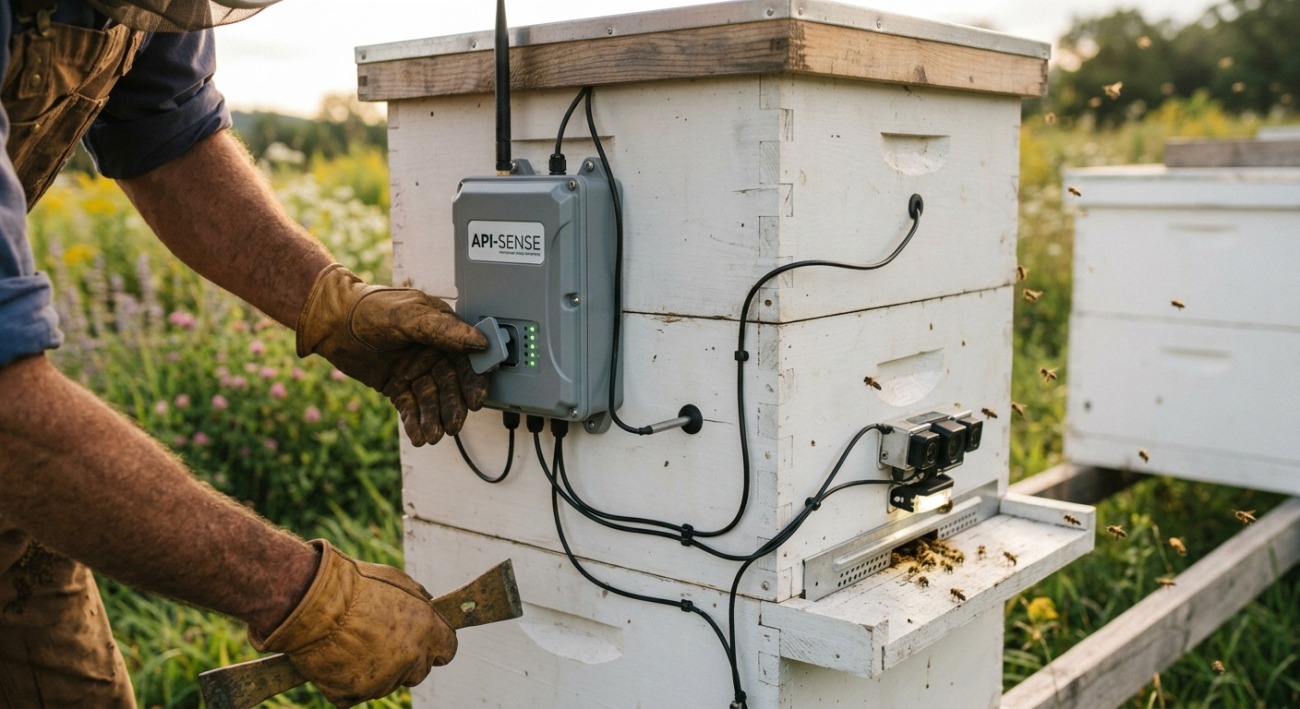
We are an agricultural technology and educational research project focused on sustainable apiculture. Our primary research centers on integrating smart-hive technologies—specifically using computer vision, AI, and static sensor-mounted vertical hives—to automate honeybee health monitoring and pest control (such as non-invasive Varroa mite tracking).
In addition to our data collection, our mission includes a vital educational component. We plan to bring small groups of students, agricultural researchers, and visitors onto the property for structured educational workshops, field training, and collaborative scientific research.