
Farming Part Time
Updated Oct 7, 2026
Seeking
- More than 10 acres
Looking For the Following
Desired Locations
Plan
Cloverfield Farm – Beef Cattle and Regenerative Agriculture
Cloverfield Farm is seeking approximately 50 to 100+ acres in or near Lula, Georgia, to establish a permanent beef cattle and regenerative agriculture operation.
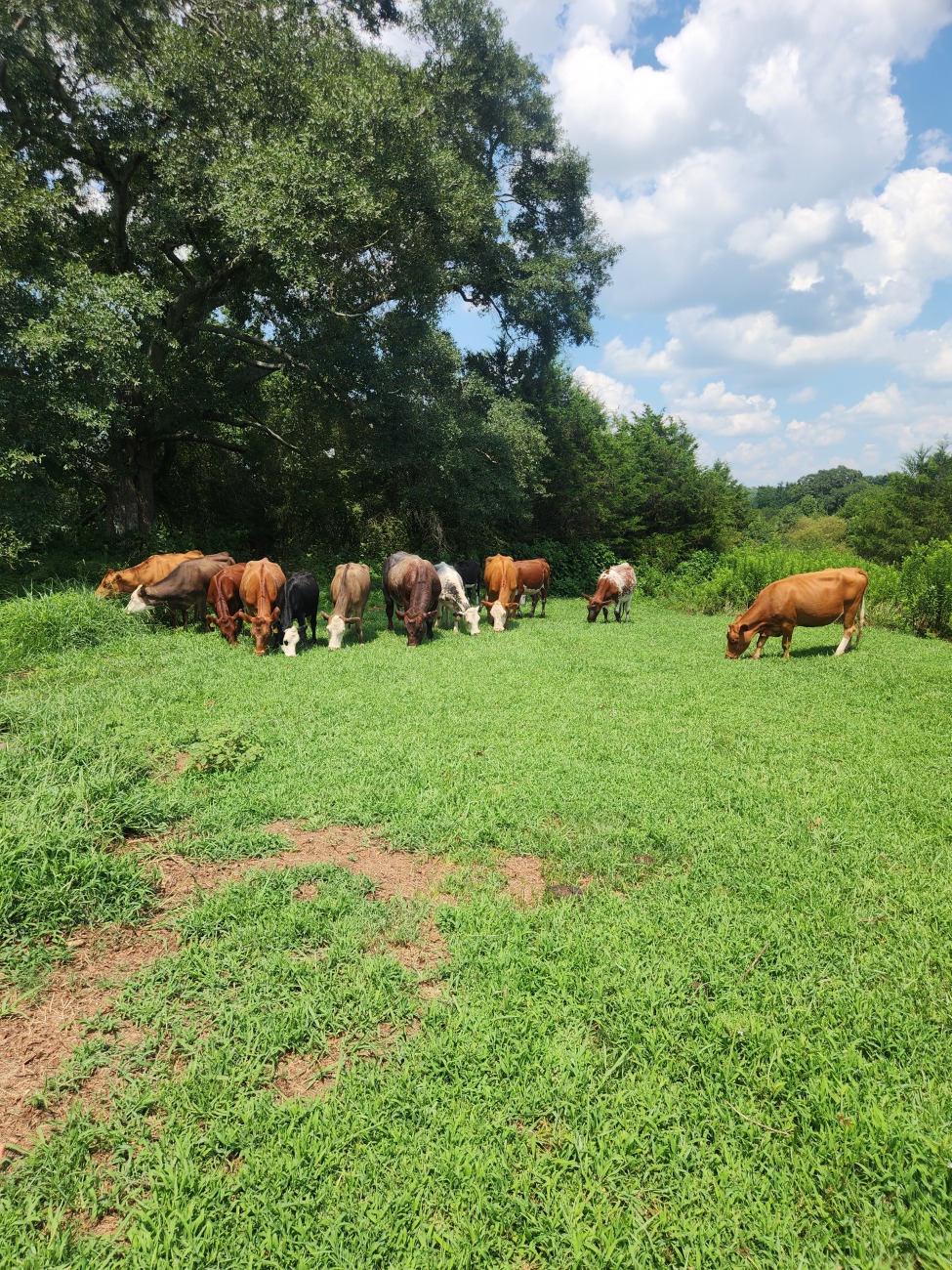
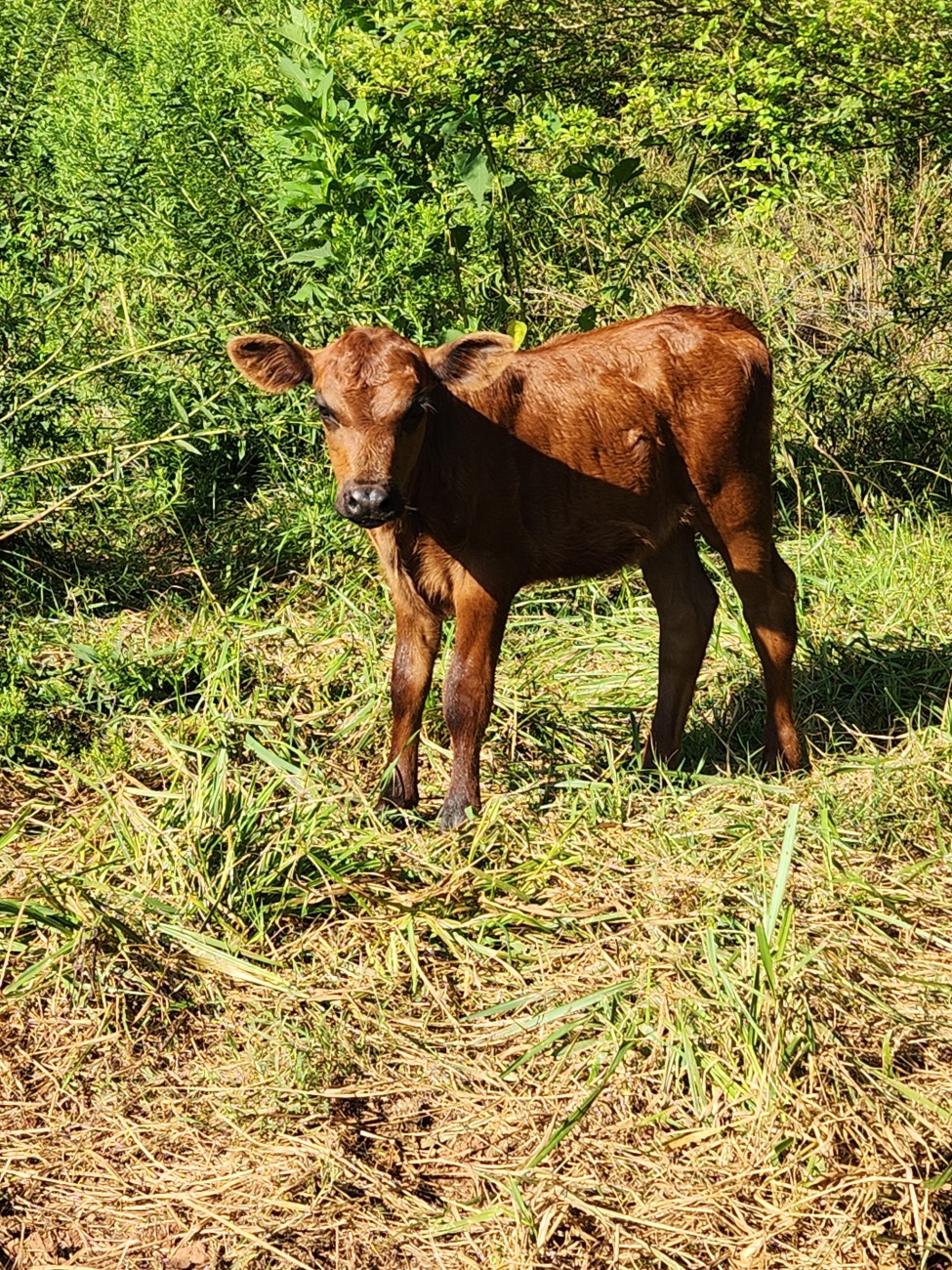
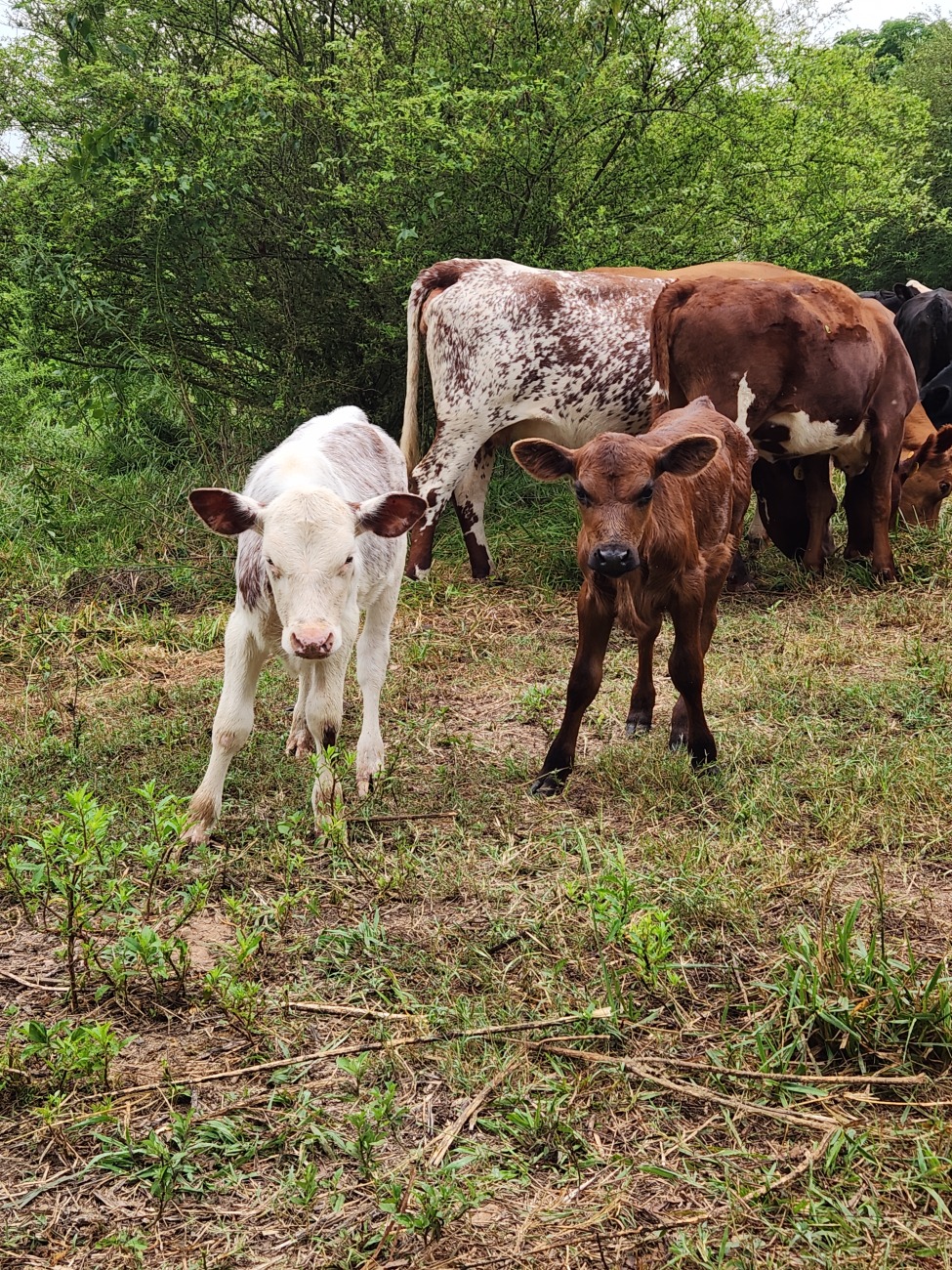
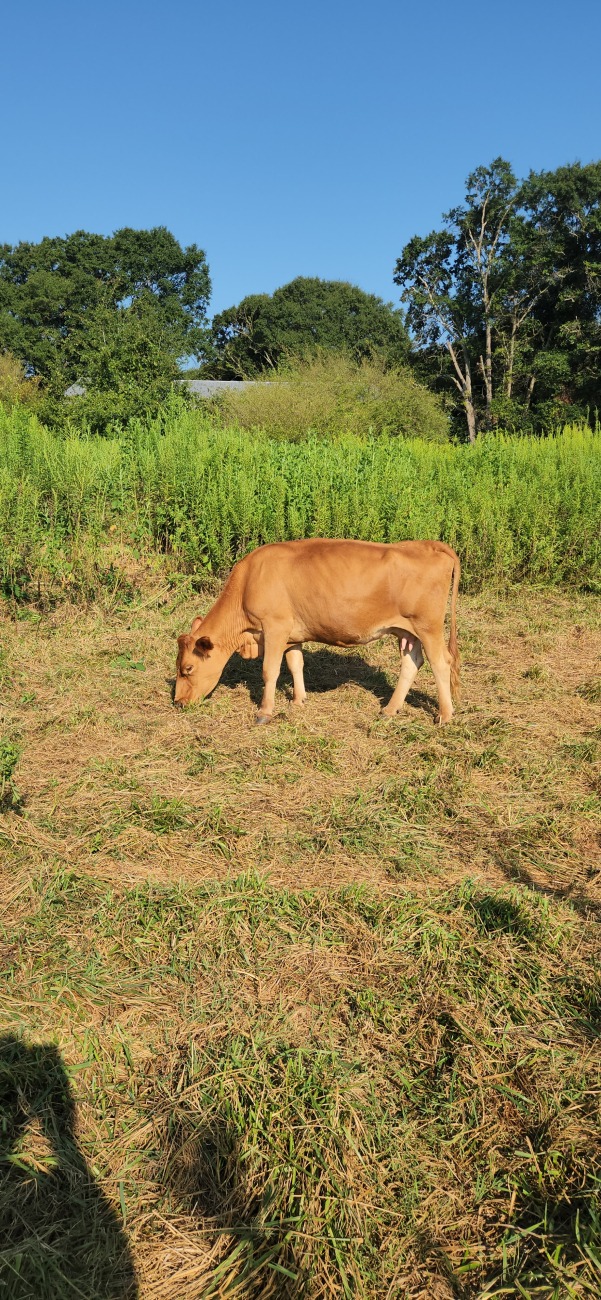
The primary enterprise will be a grass-based beef cattle operation. I am currently breeding commercial cattle toward purebred Shorthorn cattle. My cattle have historically been selected for docility, sound structure, good feet and legs, good udders, milking ability, maternal ability, longevity, efficiency, and calving ease.
Cloverfield Farm's mission is to practice regenerative and sustainable agriculture while producing high-quality food locally and helping keep beef in America bred, raised, and produced in America. The farm will emphasize efficient use of natural resources, improved soil health, perennial forages, legumes, rotational/managed grazing where appropriate, and practices that can reduce the need for synthetic nitrogen fertilizer and other external inputs.
Legumes will be an important part of the forage system because of their ability to biologically fix atmospheric nitrogen. I intend to incorporate appropriate clovers and other legumes into pasture systems to improve forage quality and fertility while reducing dependence on purchased nitrogen fertilizer.
I also plan to incorporate pastured poultry for egg and meat production and eventually provide breeding stock to other small farms. Traditional dual-purpose breeds such as Australorps, Orpingtons, Rhode Island Reds, and Plymouth Rocks will be considered. Poultry will be managed in a manner that utilizes nutrients efficiently and minimizes the potential for excess nitrogen and phosphorus to enter surface water.
Another goal is to demonstrate how cattle and poultry enterprises can be integrated with forage and soil-management practices to improve the overall efficiency and sustainability of the farm. Where practical, grazing livestock rather than mechanically harvesting all forage can reduce fuel use and machinery requirements.
I also plan to document the development of the farm through social media, including Facebook, Instagram, and YouTube. This will allow people to see the process of developing a farm from the ground up, including land preparation, pasture establishment, fencing, cattle management, regenerative practices, and the challenges and successes involved in establishing a modern agricultural operation.
Ultimately, I want Cloverfield Farm to serve not only as a productive cattle farm but also as a working example and educational resource demonstrating practical, science-based approaches to sustainable and regenerative agriculture.
Desired Transitional Agreement
Description of Desired Transitional Agreement
I am seeking a property through a sale and lease arrangement, depending on the landowner's goals and the specific property.
My preference is to establish a long-term or permanent agricultural operation rather than a short-term project. I am interested in working with a landowner who values keeping agricultural land in production and is interested in seeing the property developed into a productive beef cattle and regenerative agriculture operation.
If a lease or lease-to-purchase structure is appropriate, I am willing to discuss a transition period that provides continuity for the landowner while allowing the farm operation, pastures, fencing, livestock infrastructure, and other improvements to be established.
My goal is to develop a lasting agricultural enterprise that can remain productive for many years and contribute to the preservation of farmland in Northeast Georgia.
Type of Current Production on Farm
Produce / Land Cover
Livestock
Additional Information on Produce or Livestock Needs
Primary livestock enterprise: Beef cattle
The primary goal is to establish a sustainable, forage-based beef cattle operation. Cloverfield Farm is currently breeding commercial cattle toward purebred Shorthorn cattle.
The herd will be selected for:
- Forage efficiency
- Docility
- Structural soundness
- Good feet and legs
- Good udders
- Good milking ability
- Strong maternal ability
- Longevity
- Calving ease
- Adaptation to Northeast Georgia conditions
The long-term objective is to produce quality beef from cattle that can thrive primarily on pasture and forage, while using appropriate supplementation and hay when necessary.
Hay / Land Cover
Pasture and hay production will be important components of the operation. I plan to establish productive perennial forage systems incorporating appropriate grasses and legumes. Legumes will be used where agronomically appropriate to biologically fix atmospheric nitrogen, improve forage quality, and potentially reduce the amount of purchased nitrogen fertilizer required.
Poultry
A secondary enterprise will involve pastured poultry for eggs, meat, and eventually breeding stock. Traditional dual-purpose breeds such as Australorps, Orpingtons, Rhode Island Reds, and Plymouth Rocks will be considered.
The poultry enterprise will be managed with an emphasis on nutrient efficiency and minimizing nutrient runoff while providing useful fertility to pasture and farm soils.
Regenerative / Sustainable Agriculture
The overall goal is to integrate cattle, poultry, forage, soil, and natural-resource management into a productive agricultural system.
Cloverfield Farm will emphasize practical, science-based management intended to improve soil health, utilize biological nutrient cycling, reduce unnecessary inputs, conserve resources, and reduce the environmental footprint of agricultural production.
An additional goal is to demonstrate these practices publicly through social media and educational content so that other farmers, beginning farmers, and members of the public can learn from the process.
Preferred Equipment and Infrastructure
Equipment and Infrastructure Details
The property will require development and/or improvement of agricultural infrastructure.
Primary infrastructure needs include:
- Perimeter livestock fencing
- Interior fencing for pasture management as appropriate
- Livestock handling facilities
- Working cattle chute
- Loading and handling facilities
- Barn or other covered storage for hay and farm equipment
- Livestock barn/shelter as appropriate
- Reliable water source, including existing well, pond, spring, or other suitable source
- Electrical access
- Farm access roads suitable for livestock and equipment
- Pasture establishment and renovation
- Hay storage
- Gates and livestock handling areas
The planned perimeter fence will generally consist of approximately 48-inch woven livestock wire with two strands of barbed wire above it, supported by 7-foot T-posts and properly constructed wooden corner, brace, and gate assemblies.
Equipment needs include:
- Agricultural tractor with loader
- Hay and pasture equipment as needed
- Livestock trailer
- Flatbed trailer
- Pickup truck
- Hay-handling equipment
- Working cattle chute and associated livestock-handling equipment
Some equipment may be purchased used when appropriate in order to make the operation financially efficient.
Pasture establishment will be a major initial investment. Appropriate perennial grasses and legumes will be selected based on soil conditions, climate, drainage, grazing requirements, and long-term sustainability.
Where practical, existing timber, wildlife habitat, streams, wetlands, and other valuable natural resources will be protected rather than cleared simply for the sake of maximizing pasture acreage.
Qualifications and Goals
Preferred Farming Status
Part Time
Farming Experience
More than 10 years
Farm Education/Training
Additional Info on Experience/Education
I have approximately 50 years of experience with agriculture and livestock. I grew up learning agriculture from my grandfather, who operated a farm in Northeast Georgia involving beef cattle, poultry, and row crops. He was raised as a sharecropper, attended agricultural school in the early 1950s, and passed his knowledge and practical experience on to me.
In 1986, when I was twelve years old, my grandfather gave me a heifer from his herd. With the exception of my current breeding bull, my cattle descend from that original heifer. Her genetics trace back to a cow my grandfather purchased around 1958. These cattle were selected for what would now commonly be described as grass-based or forage-adapted genetics long before that terminology became popular.
Throughout my years with cattle, selection has emphasized docility, structural soundness, good feet and legs, good udders, milking ability, mothering ability, longevity, effefficiency, and calving ease. My cattle have historically been managed without the use of subtherapeutic antibiotics, growth-promoting hormones, or vaccines.
I have a Ph.D. in Poultry Science (Nutrition) from Auburn University and an M.S. in Poultry Science (Quantitative Genetics) from the University of Georgia. My master's research involved genetic selection to reduce phosphorus excretion by poultry and thereby reduce phosphorus runoff. My doctoral research involved nutritional approaches to reduce nitrogen and phosphorus excretion by poultry, with an emphasis on reducing environmental impacts.
I have also completed undergraduate and graduate-level Animal Science coursework, including Beef Production, Nutrition, Vitamin Nutrition, and Mineral Nutrition.
I am certified in Beef Quality Assurance, have completed the Georgia Master Cattleman certification through the University of Georgia, and attend the Beef Cattle Short Course at The University of Georgia.
My research has been presented at international scientific meetings and published in peer-reviewed scientific publications. Some of my research was also recognized in a Cornell University publication as being among significant research for the relevant years.
Earlier in my career, I also worked in forestry, including assisting with identification of non-native plant species for removal in what is now Smithgall Woods State Park.
My combination of practical agricultural experience, cattle experience, animal science education, poultry nutrition and genetics research, environmental research, and forestry experience gives me a strong foundation for developing a scientifically informed, practical, and environmentally responsible farm.